Jellybean: A Playful Font for Vibrant Design Projects
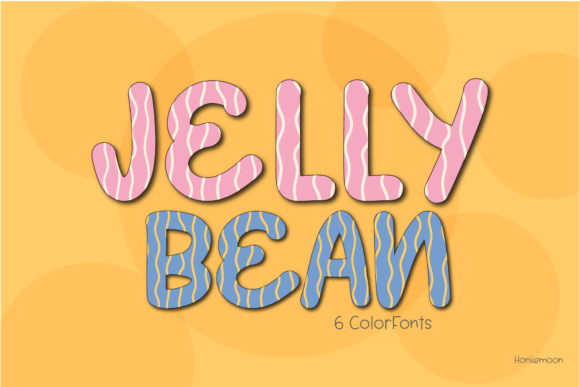
Imagine a typeface that doesn't just spell out words but radiates pure, unadulterated joy. That's the immediate impact of Jellybean, a display font that captures the whimsy and color of its namesake candy. In a digital landscape saturated with sterile, uniform typography, Jellybean offers a burst of personality, making it a standout creative asset for designers seeking to inject fun and approachability into their work.
More than just a novelty, Jellybean is a strategic tool for modern graphic design. Its hand-drawn aesthetic and candy-coated texture tap into current design trends that favor authenticity, playfulness, and tactile appeal. This font is engineered to create instant emotional connection, making it ideal for projects where the goal is to delight, engage, and communicate a sense of lighthearted creativity.
Practical Applications for Creative Projects
The true value of a font like Jellybean lies in its versatile application across various creative projects. Its vibrant personality can elevate designs in numerous contexts:
- Branding and Logo Design: Perfect for children's brands, toy companies, sweet shops, or any business wanting a friendly, approachable identity. It sets a cheerful tone from the first glance.
- Marketing and Social Media Graphics: Create eye-catching Instagram stories, Facebook ads, and promotional banners that stand out in a crowded feed. Its playful nature boosts user engagement and shareability.
- Event and Party Invitations: Instantly sets the mood for birthday parties, baby showers, and festive celebrations with its joyful, hand-drawn appearance.
- Packaging and Merchandise Design: Makes products on shelves pop. Use it for candy packaging, snack branding, stickers, t-shirts, and fun merchandise that appeals to a younger demographic or the young at heart.
- Editorial and Web Design: Acts as a powerful accent font in magazine layouts, blog headers, or website hero sections to draw attention and break up monotonous text blocks.
Integrating Jellybean into Your Design Workflow
To use Jellybean effectively, thoughtful integration into your broader design system is key. Here are practical tips for selecting and applying this typeface:
- Pair with Simplicity: Let Jellybean be the star. Pair it with clean, neutral sans-serif or serif fonts for body text to ensure readability and maintain visual hierarchy. The contrast will make the display font pop without overwhelming the design.
- Consider Your Audience: Its playful aesthetic is perfect for kids' designs, party themes, and casual branding. Evaluate if its tone aligns with your target audience's expectations and your brand's core message.
- Test for Scalability: As a detailed display font, Jellybean is best suited for headlines, logos, and short bursts of text. Always test it at the intended size to ensure the wavy, colorful details remain crisp and legible, especially in print design.
- Leverage the Color Version Wisely: The multi-color OTF version is a fantastic feature for digital design in programs like Photoshop and Illustrator. Use it to create vibrant social media graphics or digital art. Remember its compatibility limitations for cutting machines like Cricut, where the solid black version is your go-to.
Choosing the right creative assets is fundamental to effective visual communication. A typeface like Jellybean does more than decorate; it conveys emotion, establishes tone, and can become a memorable part of a brand's identity. By thoughtfully incorporating such high-quality, personality-driven elements into your design workflow, you ensure your projects not only look polished and professional but also resonate deeply with your intended audience, turning simple visuals into engaging experiences.