Wood Plank: A Natural Touch for Modern Design
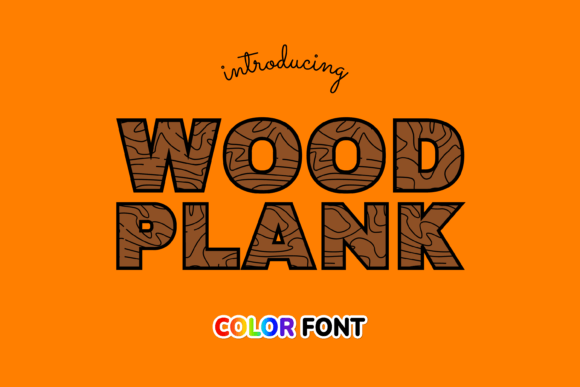
Imagine a typeface that brings the warmth of sun-bleached lumber and the rugged texture of a rustic workshop directly into your digital canvas. Wood Plank is an incredibly cool color font with a lumber theme, designed to inject organic character and visual depth into any project. Whether you're crafting a custom logo, designing DIY crafts, or creating digital assets that demand a natural, tactile feel, this font offers a distinctive solution that stands apart from standard typography.
Elevating Brand Identity and Visual Communication
In today's saturated digital landscape, a strong brand identity hinges on memorable and authentic visual design. Typography is a cornerstone of this identity, and a font like Wood Plank provides a powerful tool for specific branding scenarios. Its textured, engraved appearance instantly communicates themes of craftsmanship, sustainability, outdoor adventure, and artisanal quality. This makes it exceptionally effective for logo design and brand assets for businesses in woodworking, eco-friendly products, craft breweries, farm-to-table restaurants, or boutique apparel brands. The font’s inherent visual hierarchy draws the eye, making it ideal for headlines, hero text, and display typography where impact is paramount.
Practical Applications Across Creative Projects
The versatility of Wood Plank extends far beyond a single use case. Its unique aesthetic can enhance a wide array of creative projects, improving both aesthetics and user engagement. Consider its application in:
- Marketing & Social Media Graphics: Create scroll-stopping social media content, email headers, and promotional materials. The font’s texture adds a layer of visual interest that helps posts stand out in a crowded feed, supporting digital marketing goals with higher engagement.
- Packaging & Print Design: For packaging design, especially for natural or handcrafted goods, Wood Plank can be used for product names or key messaging, reinforcing the product's story on the shelf. It also adds a premium feel to editorial design elements like magazine pull quotes or chapter headings.
- Digital & Web Design: Used judiciously in web design and UI design, it can create compelling hero sections, feature callouts, or section headers. However, designers must balance its strong personality with overall readability and user experience (UX) principles. It’s not a body text font, but a strategic accent.
- Presentations & Merchandise: Transform mundane presentations into professional, themed narratives. For merchandise like t-shirts, mugs, or posters, Wood Plank delivers a ready-to-print, eye-catching graphic element.
Integrating Textured Assets into Your Design Workflow
Successfully incorporating a specialized color font like Wood Plank requires thoughtful integration into your broader design workflow. First, always verify compatibility. As an OpenType-SVG color font, it works seamlessly in professional software like Adobe Photoshop, Illustrator, Silhouette, and Inkscape, but note that the standard OTF and TTF files are not compatible with Cricut machines. For comprehensive guidance, consulting a resource like an Ultimate Font Guide is invaluable.
When selecting and using such assets, consider these key factors:
- Consistency and Brand Alignment: Ensure the font's rustic, natural theme aligns with your client's or project's brand identity and target audience. It should complement, not clash with, your existing color palette and imagery.
- Scalability and Context: Test the font at various sizes to ensure its texture remains clear and impactful. It excels in larger scales for logos and headlines but may lose detail in very small applications.
- Visual Harmony: Pair Wood Plank with clean, simple sans-serif or serif fonts for body text to maintain readability and create a balanced visual hierarchy. Let it be the star of the show in specific, focused areas.
Ultimately, the most effective designs are built on intentional choices. Quality creative assets like Wood Plank are more than just decorative elements; they are tools for storytelling and communication. By understanding a font’s strengths and applying it with strategic purpose, designers can craft visuals that are not only aesthetically pleasing but also deeply resonant, strengthening brand perception and enhancing every creative project they touch.