Infuse Playful Energy with Spiralbook: A Designer's Guide
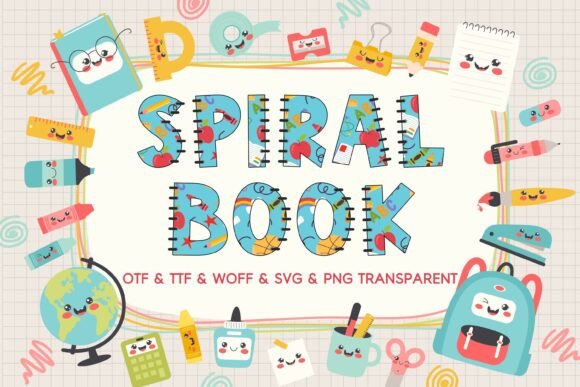
In the search for visual assets that capture attention and convey a specific mood, typography is a foundational tool. For designers aiming to inject a sense of playful energy and tactile authenticity into their work, the Spiralbook font presents a compelling solution. This vibrant color font, designed to mimic the appearance of a blue spiral-bound notebook, is more than just a typeface; it's a creative resource that brings instant personality to a wide array of design projects. Understanding its strengths and applications can significantly enhance your creative toolkit.
Understanding Spiralbook's Place in Visual Design
Modern graphic design often revolves around creating emotional connections and clear visual hierarchies. The Spiralbook font excels in contexts where a cheerful, informal, and engaging tone is desired. Its design directly evokes school days, brainstorming sessions, and creative ideation, making it an ideal choice for projects targeting educators, students, families, or any brand seeking a friendly and approachable identity. This font isn't for a minimalist corporate report; it's for designs that need to feel handcrafted, energetic, and fun. Its value lies in its ability to communicate a specific vibe instantly, supporting brand identity through consistent and recognizable typography.
Practical Applications Across Creative Projects
The versatility of Spiralbook allows it to shine across multiple design disciplines, enhancing both digital and print creations.
- Branding and Logo Design: For brands in education, children's products, or creative services, this font can form the core of a playful logo or wordmark. It helps establish a brand personality that is approachable and innovative.
- Marketing and Social Media Content: Use Spiralbook for eye-catching headlines on posters, flyers, and social media graphics. Its vibrant style stops the scroll, making it perfect for event announcements, educational tips, or promotional campaigns that aim to stand out in a busy feed.
- Editorial and Packaging Design: In editorial layouts for magazines or blogs, it can create engaging section headers. For packaging design, especially for school supplies, notebooks, or artisanal goods, it adds a layer of thematic authenticity that enhances the unboxing experience.
- Digital Products and Presentations: Incorporate the font into digital planners, educational worksheets, or presentation slides to make the content more dynamic and memorable. Its visual interest helps maintain viewer engagement in UI design for apps or websites targeting a younger audience.
Tips for Effective Typography Selection and Use
Integrating a specialty font like Spiralbook requires thoughtful consideration to maintain a polished and professional result. First, always consider readability and context. Use it for headlines, short phrases, or call-to-action buttons where its unique character can be appreciated without compromising legibility in body text. Pair it with a clean, simple sans-serif or serif font for longer paragraphs to create a balanced visual hierarchy.
Second, ensure compatibility with your design workflow. Spiralbook is an OpenType-SVG color font, meaning it renders with color and texture directly in compatible software like Photoshop, Illustrator, and Inkscape. For projects requiring cutting machines, the included SVG and high-resolution transparent PNG files are essential. This broad format support ensures flexibility across both print design and digital platforms. Finally, maintain consistency within your project. Using Spiralbook in select key areas reinforces your design's theme without overwhelming the overall composition, contributing to a cohesive and effective visual communication strategy.
Thoughtful design choices are what separate good projects from great ones. By carefully selecting creative assets that align with your message and audience—like the spirited Spiralbook font—you can elevate the aesthetic quality and communicative power of your work. Quality typography and visual elements do more than decorate; they build connection, guide the viewer's eye, and reinforce the core identity of any creative project, ultimately making your designs more engaging and effective.